
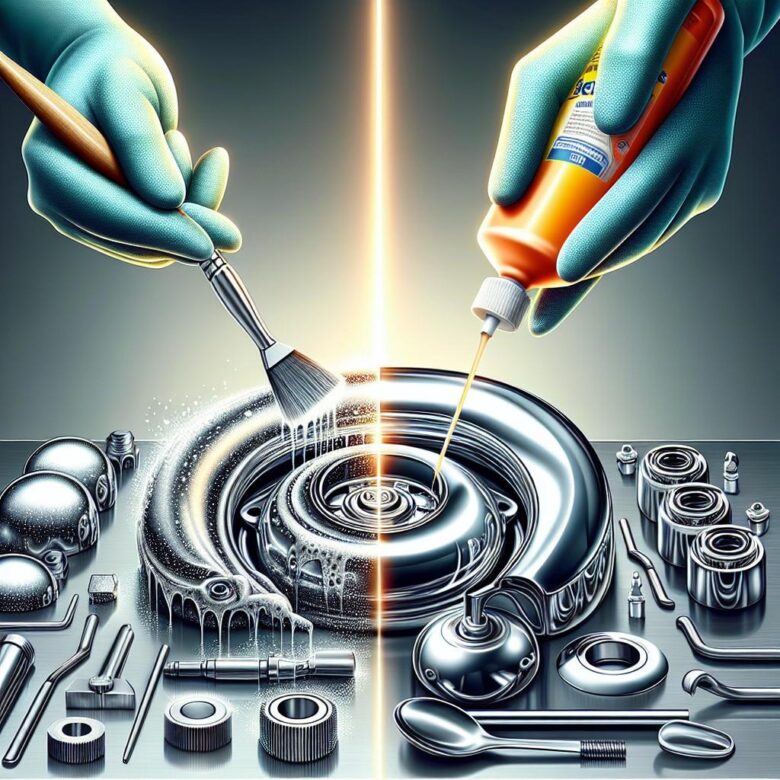
Oxidation ruins chrome and stainless steel faster than most people realize-and the wrong cleaner can leave permanent haze, pitting, or fine scratches that are harder to fix than the rust itself.
After years of working with metal trim, appliances, and shop equipment, I’ve seen people waste hours using abrasive pads and harsh acids that strip the finish instead of restoring it. Ignore early oxidation, and you risk deeper corrosion, replacement costs, and a surface that never looks factory-clean again.
Below, I break down the safest methods to remove oxidation, protect the finish, and restore shine without damaging the metal.
How to Safely Remove Oxidation from Chrome Without Scratching: Tools, Cleaners, and Step-by-Step Techniques
Most chrome damage during “cleaning” is self-inflicted: dry rubbing with abrasive pads can cut through the chromium layer in minutes, exposing nickel and accelerating corrosion. Safe removal starts with lubrication, low-pressure contact, and confirming the metal is plated chrome rather than polished stainless.
- Wash first with pH-neutral car shampoo and a microfiber towel to remove grit; inspect under a focused LED such as the Streamlight Stylus Pro so orange-brown oxidation is not mistaken for embedded road film.
- For light oxidation, apply chrome polish with chemical cleaners and ultra-fine abrasives using a foam applicator; products like Autosol Metal Polish or Simichrome should be worked in short passes, then buffed before they dry. Avoid steel wool unless it is 0000 grade, fully lubricated, and reserved for severely neglected, thick chrome only.
- For tight pits and seams, use cotton swabs or a soft detailing brush, then neutralize residue with a damp microfiber and seal the surface with wax or a polymer protectant to slow oxygen and moisture contact.
Field Note: On a pitted motorcycle exhaust shield, I removed visible oxidation without haze by pre-soaking with shampoo solution, polishing only with microfiber and Simichrome, and rejecting the owner’s request to “speed it up” with a Scotch-Brite pad.
The Best Ways to Remove Oxidation from Stainless Steel: Expert Methods for Restoring Shine and Preventing Damage
Most stainless oxidation damage is made worse by aggressive abrasives, not the oxide itself; a single pass with steel wool can embed carbon steel and trigger fresh rusting within days. The correct method depends on whether you are dealing with heat tint, surface tea staining, or embedded contamination.
| Oxidation Type | Best Removal Method | Key Control Point |
|---|---|---|
| Light tea staining | Use a non-chloride stainless cleaner or a paste of baking soda and deionized water with a microfiber pad | Rub with the grain only, then rinse and dry completely |
| Heat tint or stubborn discoloration | Apply a citric-acid or nitric-based passivation gel, then neutralize per product instructions | Verify compatibility by grade; 304 and 316 respond differently in marine exposure |
| Embedded ferrous contamination | Use dedicated stainless pickling/passivation compounds and inspect the surface with Olympus OmniScan if corrosion is recurring | Never cross-contaminate with carbon-steel brushes or shop rags |
Field Note: On a 316 handrail install near saltwater, recurring orange bloom stopped only after we stripped a previous contractor’s wire-brush contamination, repassivated with citric gel, and changed the crew’s polishing kit to stainless-only consumables.
Chrome vs. Stainless Steel Oxidation Removal: When to Use Vinegar, Polish, or Non-Abrasive Pads for Lasting Results
Misidentifying the metal is the fastest way to turn light oxidation into permanent surface damage: chrome plating can be only microns thick, while stainless steel tolerates chemical cleaning differently because its oxide layer is protective, not decorative. Vinegar is effective on mineral haze and early oxidation, but prolonged exposure on chrome edges or weak plating can accelerate dulling instead of correcting it.
| Surface/Condition | Best Removal Method | Technical Reason |
|---|---|---|
| Chrome with light oxidation or water spotting | Vinegar on a microfiber cloth, short dwell time, then rinse and dry | Acid dissolves light oxide and mineral residue without cutting through intact plating |
| Chrome with heavier haze or embedded oxidation | Non-abrasive metal polish applied by hand; verify finish with 3M Scotch-Brite Non-Scratch Pad only if polish alone fails | Polish lifts oxidation with controlled lubricity; aggressive pads can breach thin chrome and expose nickel below |
| Stainless steel with brown film, tea staining, or surface oxidation | Vinegar first, then stainless-specific polish or non-abrasive pad following grain direction | Stainless benefits from contamination removal and mechanical refinement without disrupting the passive chromium-oxide layer |
Field Note: On a marina hardware refit, I corrected a contractor’s mirror-finish “stainless cleaning” failure by switching from circular rubbing to grain-line passes with a non-scratch pad, which removed tea staining in one session and stopped the shadowing they thought was pitting.
Q&A
1. What is the safest way to remove light oxidation from chrome and stainless steel without scratching the surface?
Start with the least aggressive method. Wash the surface with warm water, mild dish soap, and a soft microfiber cloth to remove dirt that could cause scratching. For light oxidation, use a non-abrasive metal polish or a paste made from baking soda and water. Apply gently with a soft cloth, rubbing in small circular motions. Rinse thoroughly and dry completely to prevent water spots and renewed oxidation. Avoid steel wool, harsh scouring pads, and gritty cleaners, especially on polished stainless steel and chrome plating.
2. Can household products like vinegar or aluminum foil be used safely on oxidized chrome and stainless steel?
Yes, but with caution. White vinegar can help dissolve mineral buildup and mild oxidation on stainless steel, but it should be diluted and not left on the surface too long. Always rinse and dry after use. Aluminum foil with water is sometimes used on chrome to loosen rust, but it should be done very gently and only on true chrome surfaces, not thin decorative finishes that can be damaged easily. Test any household method on a small hidden area first.
- Safe for light use: diluted vinegar on stainless steel, gentle chrome polish, baking soda paste
- Use cautiously: aluminum foil on chrome, only with light pressure
- Avoid: bleach, oven cleaner, abrasive powders, coarse steel wool
3. How do I know when oxidation can be cleaned off versus when the chrome or stainless steel is permanently damaged?
If the discoloration is only on the surface and improves after gentle cleaning, it is usually removable oxidation. If you see pitting, flaking, bubbling, deep rust staining, or areas where chrome plating has peeled away, the damage is often beyond simple cleaning. Stainless steel with deep corrosion may need refinishing, while damaged chrome plating may require professional re-plating or part replacement.
| Condition | Likely Outcome |
|---|---|
| Light haze, dull film, minor orange spotting | Usually removable with gentle cleaning and polish |
| Small rough patches without deep pits | May improve, but some marks can remain |
| Pitting, peeling, bubbling, exposed base metal | Typically permanent damage requiring repair or replacement |
Summary of Recommendations
Clean metal is less about shine and more about restraint. The biggest mistake I still see is treating chrome and stainless steel like they can handle aggressive abrasives “just this once.” That shortcut often removes the finish, not the oxidation.
Pro Tip: If you only adopt one habit, make it this: test every cleaner, polish, or pad on a hidden spot first, then stop as soon as the oxidation lifts. Overworking the surface creates damage that no polish can truly reverse.
Right now, grab a microfiber cloth and inspect one exposed area around trim, handles, or fixtures. If you see early spotting, label a safe cleaner for that surface and store it beside the cloth so routine maintenance happens before corrosion gets a foothold.

An expert in industrial history and a renowned collector of vintage European motors. Dr. Thorne has spent over twenty years documenting the evolution of automotive design. Through Charangas, he provides enthusiasts with deep-dive technical insights and preservation strategies, blending academic rigor with the raw thrill of the open road.