
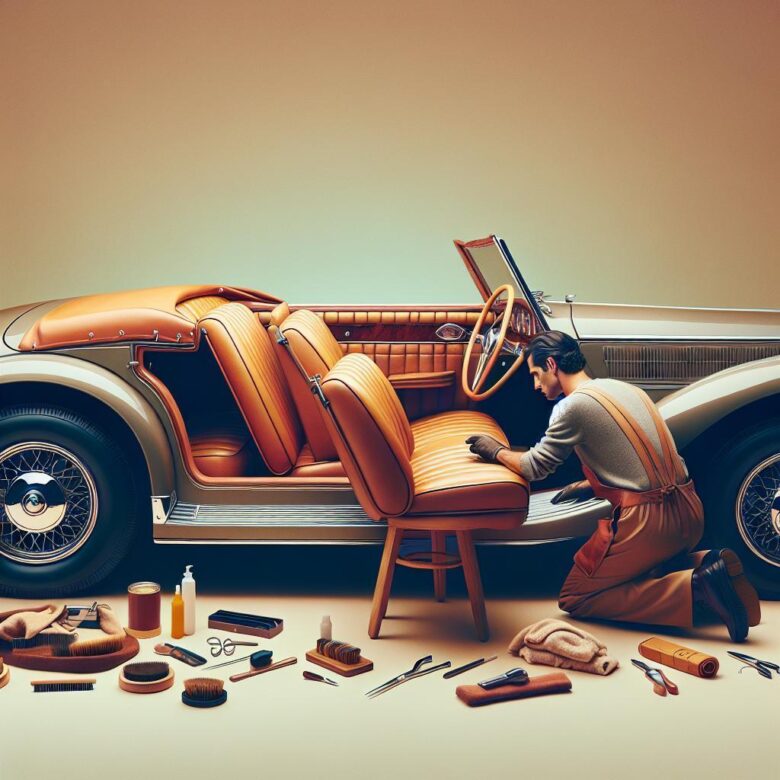
Clean gently with a pH-balanced leather cleaner, then apply a quality conditioner in thin coats. Test first on a hidden area to protect original dye, patina, and stitching.
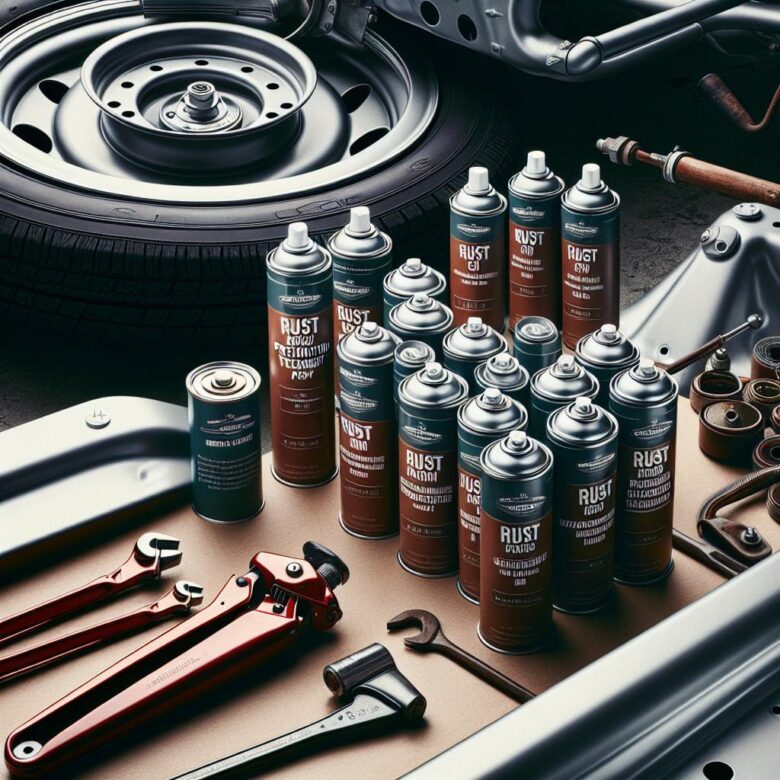
For classic chassis, use a rust converter on light corrosion, an epoxy primer for sealing, and a cavity wax underneath for long-term moisture protection.

Document every stage with dated photos, invoices, parts lists, and expert appraisals. A clear restoration record proves authenticity, quality, and care-key factors that strengthen buyer confidence and resale value.
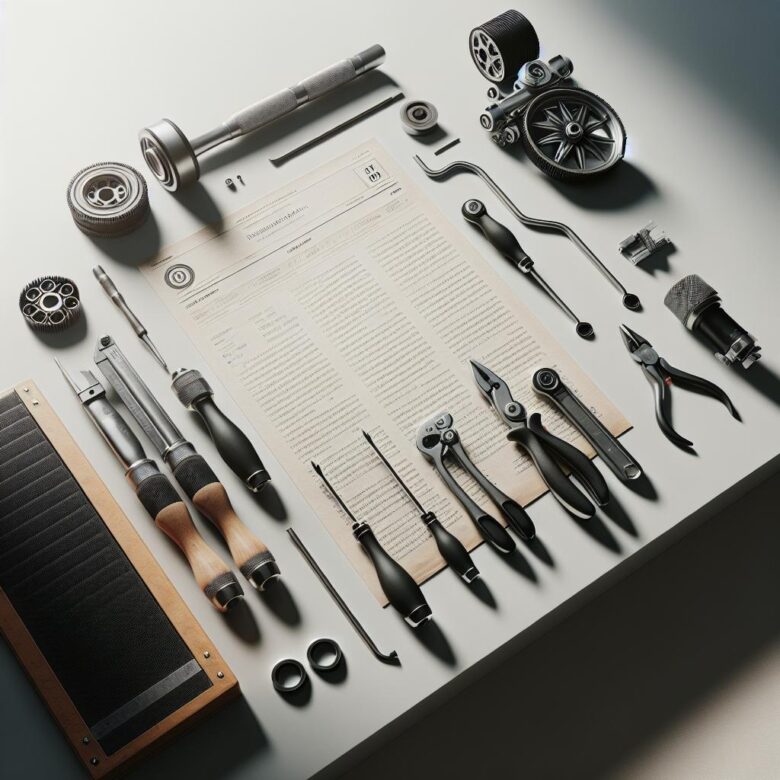
Essential tools for a first classic car restoration include a quality socket set, torque wrench, jack stands, multimeter, and rust-removal tools-enabling safer disassembly, accurate repairs, and reliable reassembly.

Leading classic car insurance providers for high-value collections stand out through agreed-value coverage, flexible mileage terms, in-house claims expertise, and secure storage discounts tailored to rare, appreciating vehicles.