Most vintage leather interiors are ruined by “conditioning” long before they’re saved. I’ve seen seats crack, dye lift, and stitching fail because owners used modern cleaners, heavy oils, or rushed rehydration on decades-old hides.
From hands-on restoration work, I can tell you the cost of getting this wrong is real: once leather shrinks, hardens, or loses finish, reversal gets expensive fast-and sometimes impossible.
Below, I break down the exact process to clean, soften, and preserve vintage automotive leather without causing more damage. You’ll learn how to assess dryness, choose safe products, restore suppleness, and protect the original patina that gives a classic interior its value.
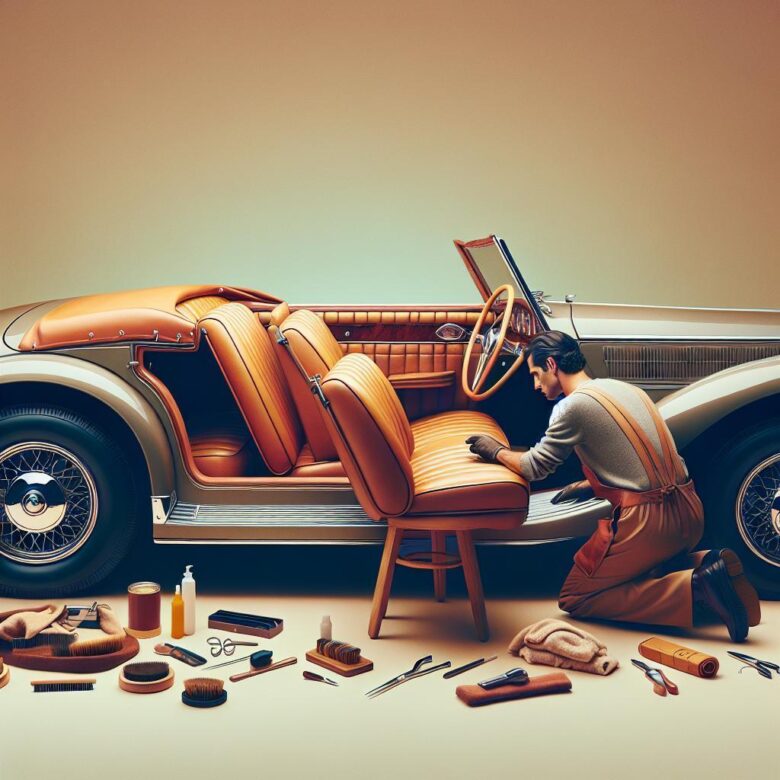
Step-by-Step Vintage Leather Car Interior Restoration: Cleaning, Repairing Cracks, and Reviving Original Patina
More vintage hides are ruined by aggressive cleaners than by age; high-alkaline APCs strip binders, flatten grain, and turn repairable patina into permanent fiber damage. Start by vacuuming seams with a soft brush, then clean with a pH-balanced leather cleaner using low-moisture foam and a horsehair brush, inspecting color transfer under strong LED light or a Color Matchari camera before any repair work.
| Stage | Technical Method | Target Result |
|---|---|---|
| Cleaning | Foam-clean one panel at a time, wipe with lint-free microfiber, and avoid soaking perforations or stitched bolsters. | Remove body oils and silicones without swelling the leather or lifting original dye. |
| Crack Repair | Degrease damaged areas, feather edges with 600-800 grit, apply flexible leather filler in thin layers, then level and recolor only where needed. | Stabilize cracks while preserving grain definition and minimizing visible repair edges. |
| Patina Revival | Use a water-based conditioner sparingly after repairs cure, then finish with a matte protection coat rather than heavy oily dressings. | Restore suppleness and depth while keeping the original low-sheen factory look. |
Field Note: On a 1967 Jaguar E-Type, I stopped a seat bolster from darkening unevenly by stripping a previous owner’s neatsfoot-oil residue first; only then did the filler and spot dye hold with the correct aged sheen.
How to Condition Aged Automotive Leather Without Over-Softening: Expert Product Choices and Application Techniques
Most damaged vintage seats are not dry; they are fiber-weakened from repeated over-application of heavy conditioners that swell the collagen and leave the surface spongy. On aged automotive leather, the target is controlled lubrication, not softness-especially on bolsters, pleats, and sun-baked upper cushions.
- Use a low-residue, water-based conditioner such as Leather Master Soft Touch only after pH-balanced cleaning; avoid neatsfoot-heavy or wax-rich dressings that darken hide and relax structure.
- Apply by foam applicator or microfiber in two micro-coats, 12-24 hours apart, working at 18-24°C; if the leather feels cooler or tacky after 10 minutes, you have exceeded absorption capacity.
- For fragile Connolly- or Vaumol-type finishes, verify surface response under magnification with a TESA inspection light or similar detailing light before a full-panel application, watching for pigment drag, sheen shift, or stitch-line saturation.
Field Note: On a 1987 Jaguar XJ-S, I corrected a seat that had been repeatedly soaked with oil-based balm by stripping residue from the bolster edge, then stabilizing feel and appearance with two thin passes of Leather Master Soft Touch instead of one wet application.
Preserving Classic Car Leather Upholstery Long-Term: UV Protection, Moisture Control, and Maintenance Schedules That Work
Most irreversible leather damage in classic cars starts long before cracks appear: UV exposure can raise surface temperature above 140°F behind glass, while trapped humidity quietly hardens fibers and feeds mildew below the seat foam. Owners often over-condition dry-looking hides and ignore the storage environment, which accelerates finish failure and dye lift.
| Control Point | Best Practice | Service Interval |
|---|---|---|
| UV protection | Use a fitted windshield shade, UV-filtering storage cover, and verify cabin heat load with an Extech MO290 or similar hygrometer/IR setup. | Every storage cycle; inspect quarterly |
| Moisture control | Maintain 45-55% RH, ventilate after wet-weather use, and never seal a car indoors while carpets or padding retain moisture. | Check monthly; after every rain event or wash |
| Maintenance schedule | Dust with a soft brush weekly, clean with a pH-balanced leather cleaner every 3-6 months, and condition only after cleaning if the leather tests absorbent and not surface-coated. | Weekly / seasonal / semiannual |
Field Note: I stopped recurring mildew in a 1967 Jaguar E-Type only after logging garage RH for two weeks, discovering nightly spikes above 68%, and pairing desiccant canisters with slightly raised window seals during storage.
Q&A
- FAQ 1: What is the safest way to clean vintage leather car seats without causing damage?
Start with the gentlest method possible. Vacuum the seats using a soft brush attachment to remove grit from seams and creases. Then clean the leather with a pH-balanced leather cleaner applied to a microfiber cloth, not directly onto the seat. Work in small sections and avoid soaking the leather, as excess moisture can weaken old finishes, promote stiffness, or lift dye.
For heavily soiled areas, use a soft horsehair brush with light pressure. Avoid household cleaners, degreasers, saddle soap on finished automotive leather, and products containing silicone or strong solvents. On vintage interiors, always test the cleaner on an inconspicuous area first because older leather may have fragile topcoats or previous repairs that react unpredictably.
- FAQ 2: How do I condition old leather so it becomes softer without making it greasy or damaging the finish?
Conditioning should restore flexibility, not saturate the leather. After cleaning and allowing the surface to dry fully, apply a small amount of a quality automotive leather conditioner designed for finished leather. Use a soft cloth and spread a thin, even layer. Let it absorb according to the manufacturer’s instructions, then buff off any excess.
Older leather often benefits more from multiple light applications than one heavy treatment. If the seats feel dry but still have an intact finish, conditioning can improve suppleness. If the leather is cracked, hard, or flaking, conditioner alone will not reverse structural damage and may only provide a cosmetic improvement. In those cases, a leather restoration specialist may be needed.
Condition Recommended Approach Light dryness Clean, then apply 1 to 2 thin coats of conditioner Moderate stiffness Clean thoroughly and use several light conditioning treatments over time Cracking or color loss Condition lightly, then assess for professional repair or recoloring Flaking finish Avoid heavy products and seek restoration advice before treatment - FAQ 3: Can cracked or faded vintage leather be restored at home, or does it require professional repair?
Minor fading, surface dryness, and light wear can often be improved at home with careful cleaning, conditioning, and, if appropriate, a quality leather recoloring system matched to the original interior color. However, deep cracks, torn panels, separated seams, shrinkage, and widespread finish failure usually require professional restoration.
The main mistake owners make is trying to hide major damage with heavy conditioners, oils, or dye products before stabilizing the leather. That can complicate later repairs. If the leather feels brittle, shows exposed backing, or has cracks that open when pressed, the better approach is to preserve it as-is and consult a specialist familiar with vintage automotive interiors.
The Bottom Line on How to Restore and Condition Vintage Leather Car Interiors
Vintage leather rewards restraint. The best interiors I’ve restored were never “brought back” with heavy product use-they were stabilized, fed slowly, and protected from the same heat, UV, and moisture swings that caused the damage in the first place.
Pro Tip: The biggest mistake I still see is conditioning cracked, dirty leather before the surface is fully cleaned and dry. That locks contamination into the grain and can accelerate finish failure, especially on older coated hides.
Before you close this tab, do one thing: take 10 clear photos of every seat, bolster, seam, and worn area in natural light, then create a simple maintenance note on your phone with today’s date and the products you plan to use. That record will save you from over-treating the interior later.

An expert in industrial history and a renowned collector of vintage European motors. Dr. Thorne has spent over twenty years documenting the evolution of automotive design. Through Charangas, he provides enthusiasts with deep-dive technical insights and preservation strategies, blending academic rigor with the raw thrill of the open road.