
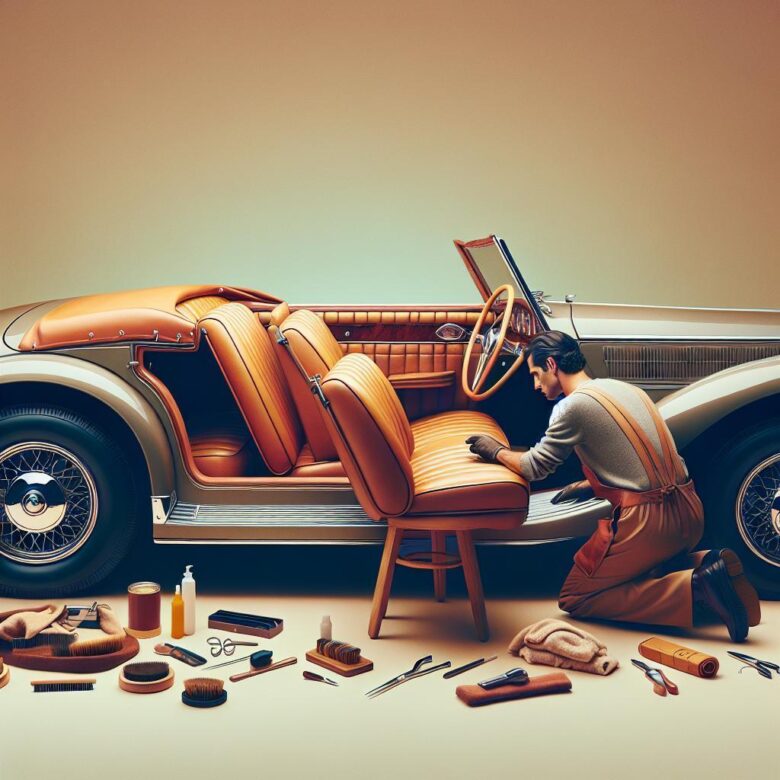
Clean gently with a pH-balanced leather cleaner, then apply a quality conditioner in thin coats. Test first on a hidden area to protect original dye, patina, and stitching.
Month: March 2026
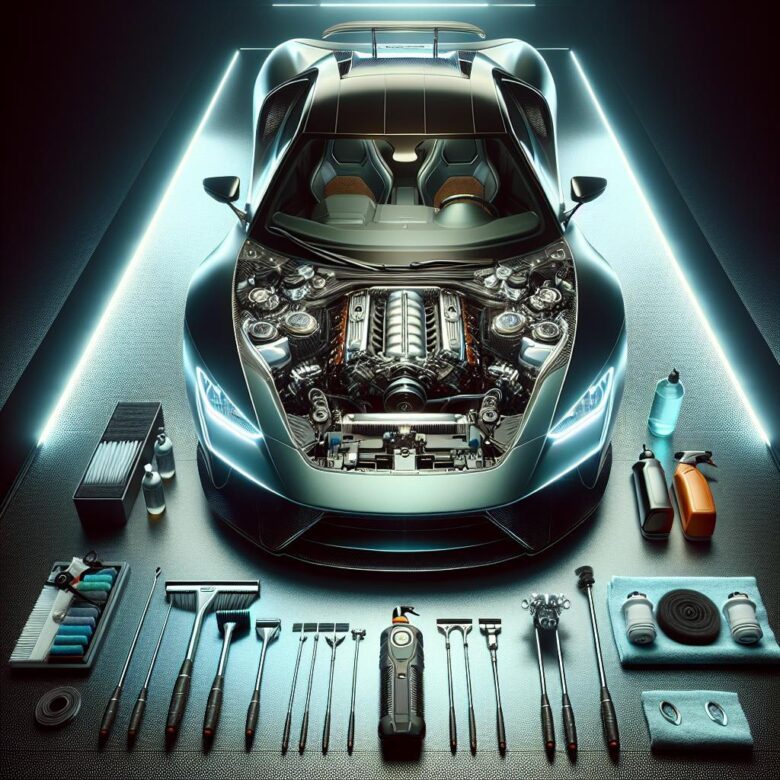
For showroom-quality results, clean a cool engine bay with pH-safe degreasers, soft brushes, and controlled low-pressure water. Dry thoroughly, protect sensitive electronics, and finish with a non-greasy dressing.
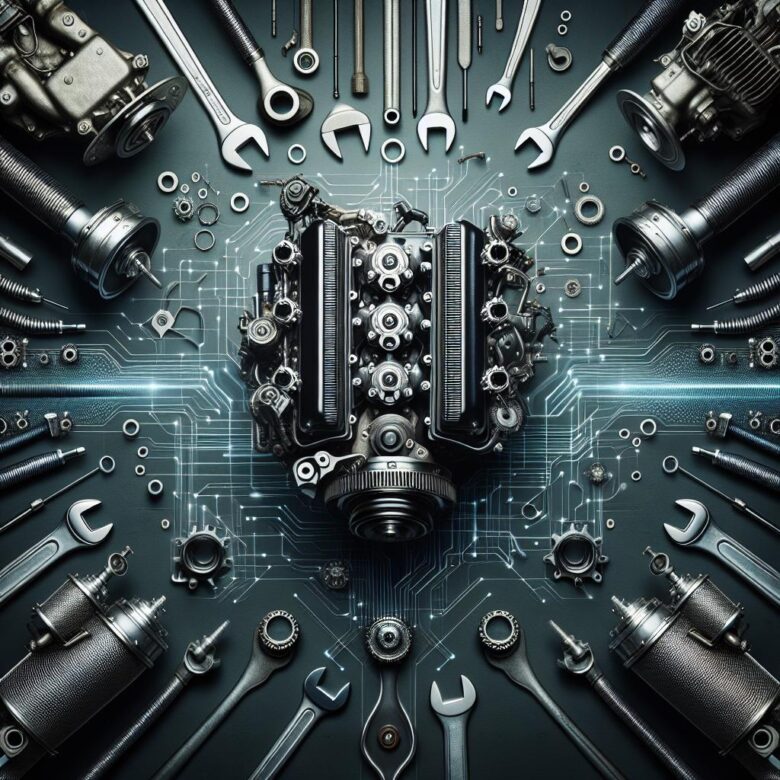
Top upgrades for classic engines include electronic ignition, a mild cam, improved cooling, and careful carb tuning-enhancing reliability and drivability while preserving originality and market value.
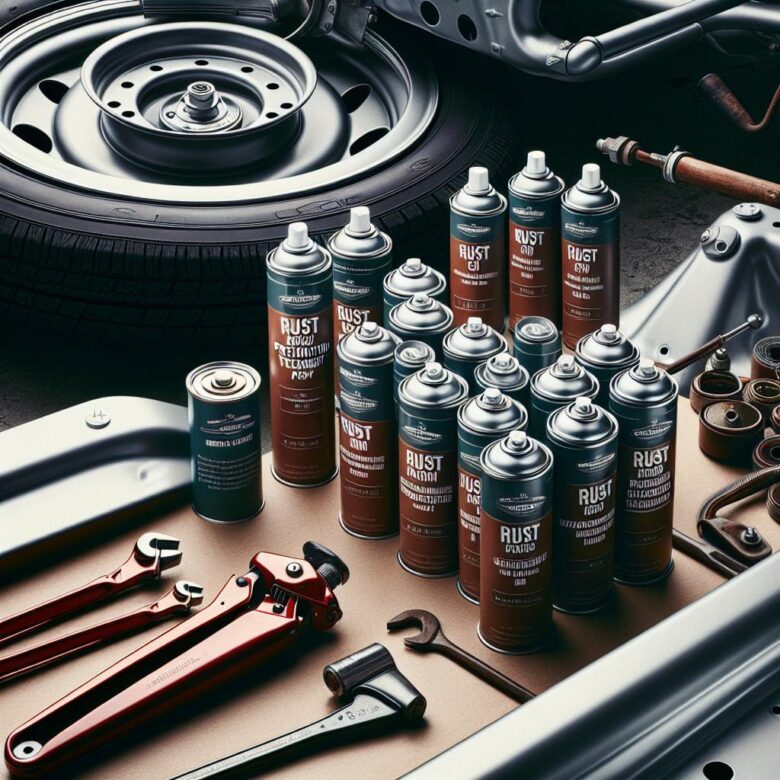
For classic chassis, use a rust converter on light corrosion, an epoxy primer for sealing, and a cavity wax underneath for long-term moisture protection.

Document every stage with dated photos, invoices, parts lists, and expert appraisals. A clear restoration record proves authenticity, quality, and care-key factors that strengthen buyer confidence and resale value.
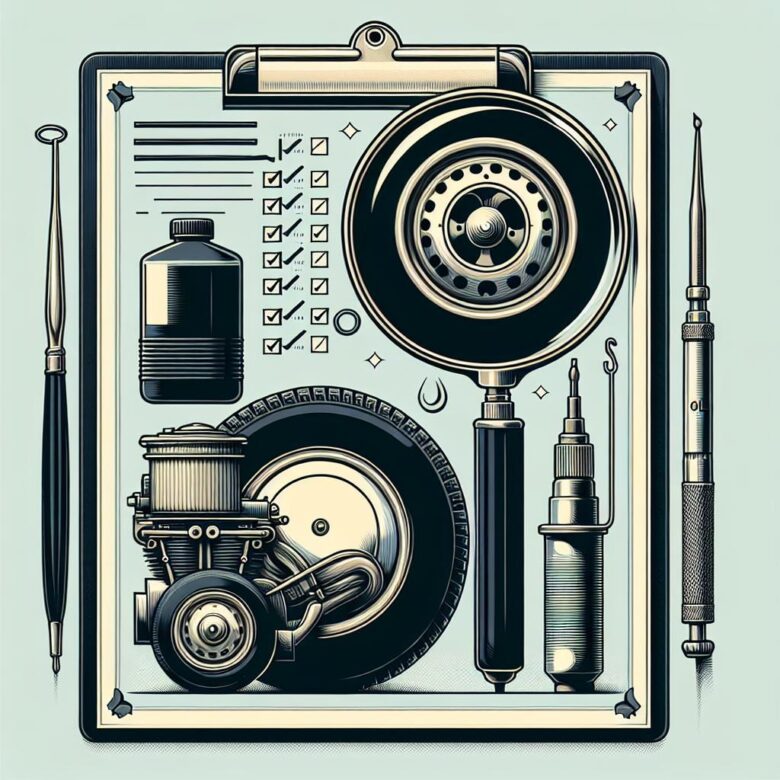
Before buying a vintage vehicle, inspect the frame for rust, verify matching numbers, check fluid leaks, test electrics, and review service records. A thorough checklist helps prevent costly surprises.
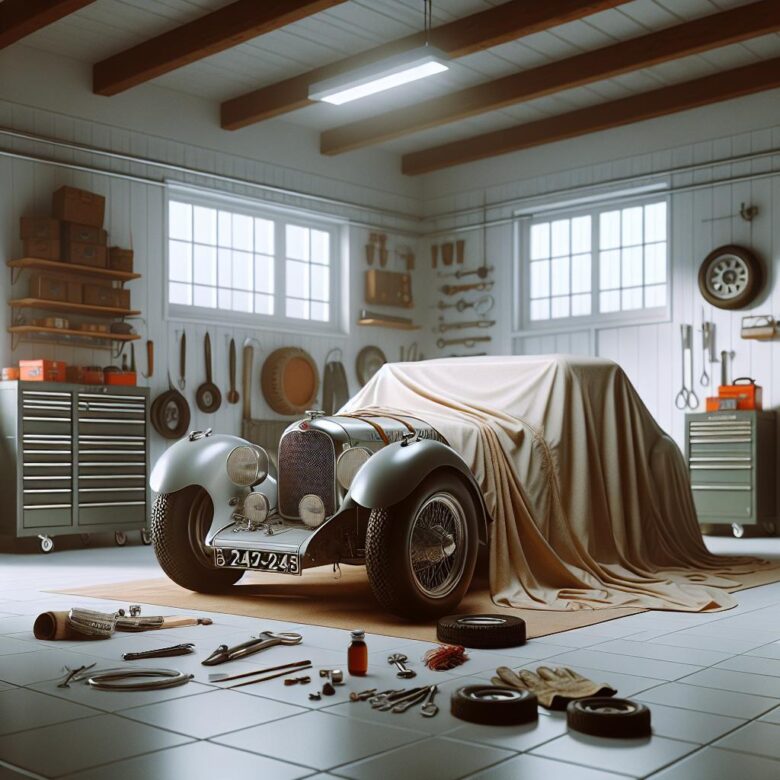
Clean and wax the body, fill the tank with stabilized fuel, change fluids, inflate tires, and store the vehicle in a dry, ventilated space under a breathable cover.
High-growth classic cars worth watching include analog-era Porsche 911s, BMW E30 M3s, and first-gen Mazda RX-7s-models driven by rarity, motorsport heritage, and rising global collector demand.
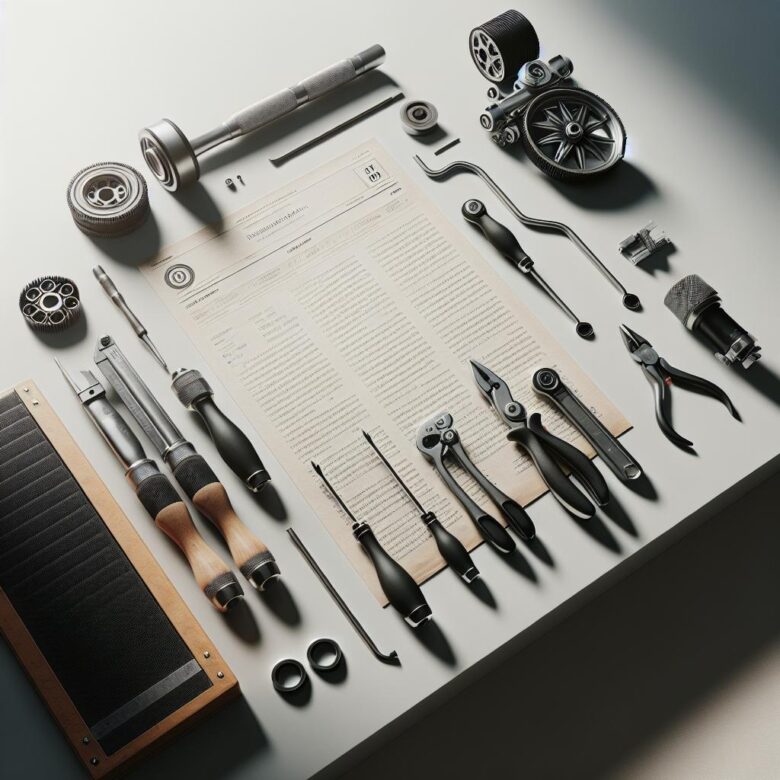
Essential tools for a first classic car restoration include a quality socket set, torque wrench, jack stands, multimeter, and rust-removal tools-enabling safer disassembly, accurate repairs, and reliable reassembly.
Top ceramic coatings deliver years of paint protection, strong hydrophobic performance, UV resistance, and easier maintenance. Choose a formula matched to climate, prep quality, and desired durability.